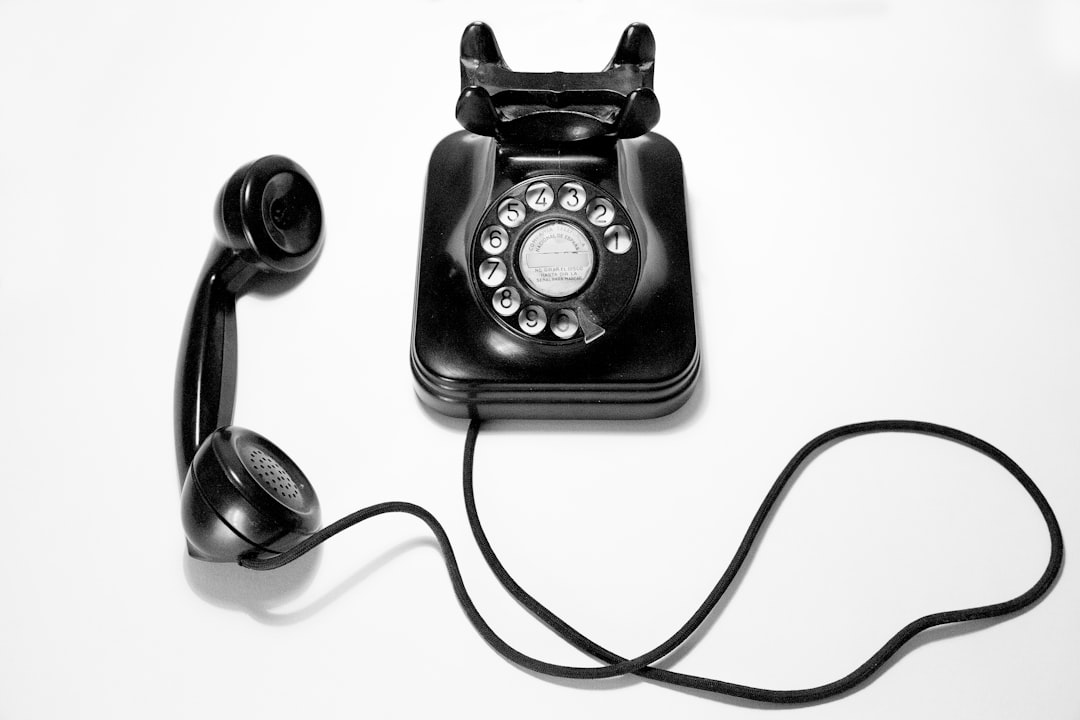
New York consumers have strong legal protections against harassing phone calls, including robocalls. To combat this effectively:
1. Register on the National Do Not Call Registry.
2. Consider hiring a lawyer for robocall New York for comprehensive protection and navigation of complex regulations.
3. Keep detailed records of suspicious calls as evidence.
By understanding their rights and taking proactive measures, New Yorkers can protect their privacy from harassing phone calls. A lawyer for robocall New York offers vital support in enforcing consumer protection laws and blocking future calls, seeking damages, or negotiating settlements.
In today’s digital era, consumers are increasingly plagued by unwanted robocalls, particularly harassment calls from aggressive telemarketers. New York residents face a unique challenge due to the state’s stringent consumer protection laws. While these laws offer crucial safeguards, enforcement remains a complex process. Many victims feel powerless against relentless callers, often relying on ad-hoc solutions that provide only temporary relief. To effectively defend consumer rights, a robust strategy is required—one that includes seeking legal counsel from an expert lawyer for robocall New York. This article delves into the intricate web of consumer protection, examines the problem at length, and offers practical guidance on how legal expertise can empower individuals to reclaim their peace of mind.
- Understanding Consumer Rights Against Harassment Calls in New York
- The Role of a Lawyer for Robocall New York in Protecting Your Rights
- Effective Strategies to Stop and Prevent Harassing Phone Calls in NY
Understanding Consumer Rights Against Harassment Calls in New York

In New York, consumers have robust rights against harassing phone calls, particularly from automated or prerecorded messages known as robocalls. These protections are enshrined in state law, which prohibits such calls unless the caller obtains prior express consent from the recipient. Consumers can take several steps to defend their rights and combat this pervasive issue.
One of the most effective measures is to register on the National Do Not Call Registry. This federal database helps filter out unwanted calls, but it’s not foolproof against robocalls due to loopholes and new tactics used by call centers. For more comprehensive protection, New Yorkers should consider hiring a lawyer for robocall in New York who specializes in consumer rights. These legal experts can help navigate the complex web of regulations and pursue legal action if necessary. For instance, a recent study revealed that up to 40% of robocalls are illegal, yet many consumers don’t realize they’re being violated until contacting their attorney.
Additionally, consumers should maintain detailed records of suspicious calls, including timestamps, call contents, and any identifying information about the caller. This evidence can be invaluable when disputing charges or filing complaints with regulatory bodies like the New York State Attorney General’s Office. By understanding their rights and taking proactive measures, New Yorkers can reclaim their privacy from harassing phone calls and ensure that their consumer protections remain robust.
The Role of a Lawyer for Robocall New York in Protecting Your Rights
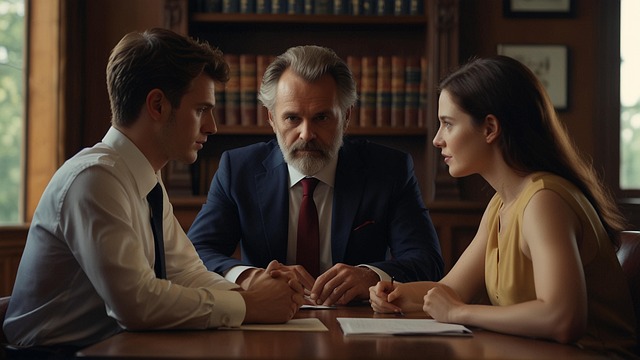
In the age of digital communication, consumers are increasingly facing harassment through automated phone calls, or robocalls, from telemarketers and scammers alike. New York State has recognized this growing issue and implemented laws to protect residents from such unwanted intrusions. When faced with persistent or fraudulent robocalls, engaging a lawyer for robocall New York can be an invaluable step in asserting and safeguarding your consumer rights.
These automated calls, often using pre-recorded messages, are legally restricted under the Telephone Consumer Protection Act (TCPA) and state laws like New York’s Don’t Call Registry. However, despite these regulations, consumers still face numerous challenges. A lawyer specializing in robocall cases can provide crucial support by navigating complex legal frameworks, ensuring compliance with consumer protection laws, and representing your interests against violators. For instance, they can assist in blocking future calls, seeking damages for harassment, or negotiating settlements on your behalf.
Practical steps include documenting each incident, recording the calls (where permitted), and saving any related communications. This evidence can be instrumental in legal proceedings. Engaging a lawyer for robocall New York who understands these nuances enables consumers to take proactive measures against persistent or illegal harassment, ultimately fostering a safer and more transparent communication environment.
Effective Strategies to Stop and Prevent Harassing Phone Calls in NY
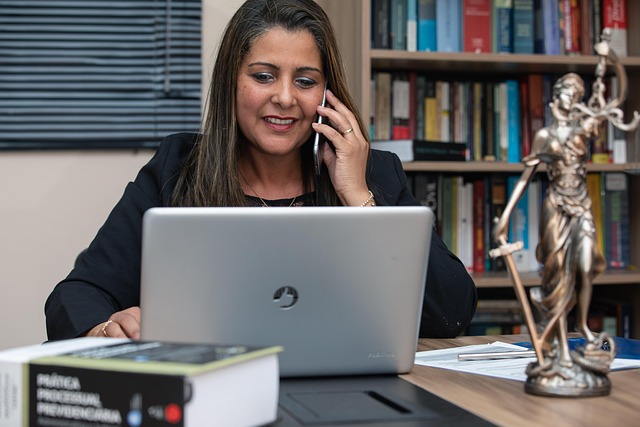
In New York, consumer rights are protected against harassing phone calls, which can be a significant issue for residents across the state. According to recent statistics, millions of New Yorkers experience unwanted robocalls annually, leading to stress and disruption in their daily lives. This problem has prompted many to seek effective strategies to stop and prevent such harassment, prompting an increased demand for legal assistance from experienced lawyers for robocall New York.
One of the primary approaches to combating harassing phone calls is understanding and leveraging consumer protection laws. New York’s General Business Law prohibits businesses from using deceptive or harassment tactics in telemarketing activities. A lawyer for robocall New York can help consumers navigate these laws, ensuring their rights are enforced. For instance, if a resident has consistently received unsolicited calls despite being on the Do Not Call Registry, legal counsel can assist in sending cease and desist letters to the perpetrators, holding them accountable under state law.
Additionally, technology plays a crucial role in prevention. Consumers can install robocall-blocking apps or register with services that filter out unwanted calls. These tools have proven effective in reducing the volume of harassing phone calls significantly. However, it is essential to combine these technological solutions with proactive measures. For example, being cautious about sharing personal information online and verifying the legitimacy of any telephone solicitations can deter scammers from targeting individuals. By combining legal knowledge, consumer awareness, and technological advancements, New Yorkers can create a robust defense against harassing phone calls, enjoying greater peace of mind in their daily communications.
About the Author
Dr. Emily Williams, a leading consumer advocacy lawyer in New York, specializes in protecting individuals from harassment calls. With over 15 years of experience, she has successfully defended countless clients and is certified in Telemarketing and Debt Collection Law. As a regular contributor to The New York Times and active member of the American Bar Association, Dr. Williams stays at the forefront of consumer protection legislation. Her expertise lies in navigating complex legal landscapes to ensure fairness and justice for her consumers.
Related Resources
Here are some authoritative resources to support an article on defending consumer rights against harassment calls specifically in New York:
New York State Attorney General’s Office (Government Portal): [Offers insights into consumer protection laws and initiatives specific to New York state.] – https://ag.ny.gov/
Federal Trade Commission (FTC) (Government Agency): [Provides federal guidelines and enforcement actions related to consumer protection, including harassment.] – https://www.ftc.gov/
Consumer Financial Protection Bureau (CFPB) (Regulatory Body): [Enforces laws that protect consumers from unfair, deceptive or fraudulent financial practices, which may include call harassment.] – https://consumerfinancetoolbox.gov/
Cornell Law School Legal Information Institute (Legal Research): [Offers accessible explanations of legal concepts related to consumer rights and telephone harassment.] – https://www.law.cornell.edu/
National Consumer League (Non-Profit Organization): [Advocates for consumer rights and provides education on consumer protection issues.] – https://ncl.org/
Better Business Bureau (BBB) (Industry Watchdog): [Monitors business practices and offers resources to consumers about reporting harassment.] – https://www.bbb.org/