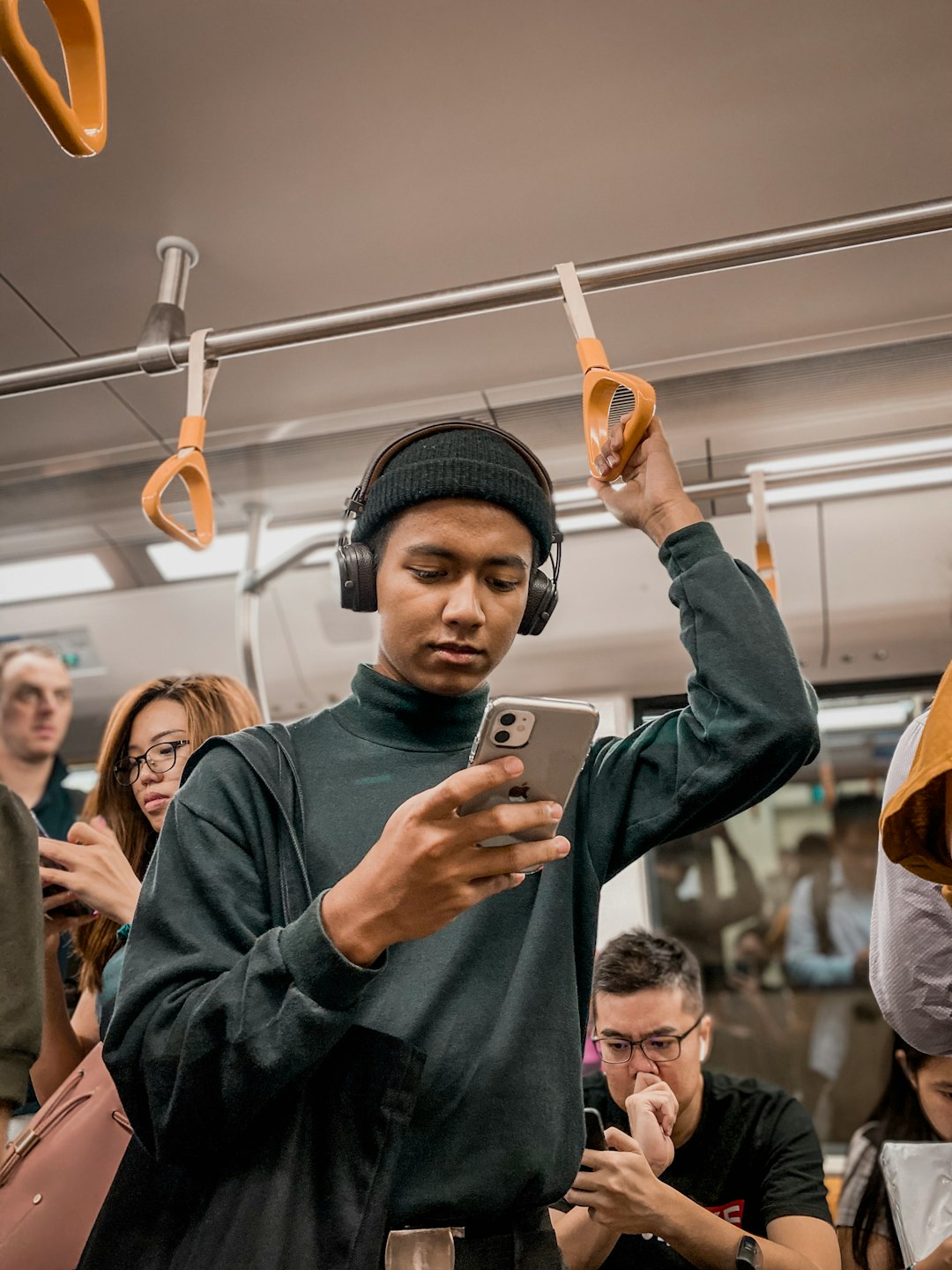
New York's Do Not Text Laws prohibit drivers from using mobile devices for non-emergency purposes while driving, with strict penalties. These laws also protect citizens from spam texts, emphasizing informed consent and explicit permission for marketing texts. Businesses must document consent processes and maintain opt-out records to avoid violations. Consumers can seek legal advice from a lawyer for Do Not Text Laws New York to understand their rights, assert them, and take action against violators. The New York Attorney General's Office actively enforces these laws, promoting a harmonious digital communication environment.
Text messaging has become an integral part of our daily lives, yet the impulsive nature of these communications can lead to unintended consequences, especially in professional settings. In New York, this issue has prompted the implementation of specific laws regarding electronic messaging, with a particular focus on text messages sent during work hours. The New York Do Not Text Laws aim to foster a safer and more productive environment by restricting certain types of messaging. This article delves into the intricacies of these laws, providing valuable insights for businesses and individuals alike, especially those seeking guidance from a lawyer specializing in Do Not Text Laws New York.
Understanding New York's Do Not Text Laws
New York's Do Not Text Laws are designed to combat distracted driving and protect lives on the road. These laws prohibit drivers from sending or reading text messages while operating a vehicle. Violations can result in substantial fines, points on driving records, and potential insurance rate increases. Understanding these regulations is crucial for all drivers, as enforcement has become increasingly strict under the watchful eye of state authorities.
The Do Not Text Laws specifically address the use of mobile devices for any non-emergency purpose while behind the wheel. This includes not only sending text messages but also accessing social media apps, playing games, or engaging in any other activity that distracts from safe driving. A key aspect often overlooked is the requirement to keep both hands on the steering wheel at all times. Lawyers specializing in New York's Do Not Text Laws emphasize that even brief diversions can have severe consequences, leading to accidents and injuries.
Enforcement efforts are aided by advanced technology that allows authorities to detect handheld device usage while a vehicle is in motion. Recent data from the New York State Police indicates a steady increase in citations issued for text messaging while driving. To avoid legal repercussions, drivers should adopt best practices like enabling 'Do Not Disturb' modes and keeping devices out of reach until the vehicle is safely parked. Consulting with a lawyer specializing in these laws can also provide valuable guidance on staying compliant.
Legal Implications & Consequences for Violations

The New York electronic messaging text definition law, while aimed at protecting citizens from unwanted text messages, carries significant legal implications and consequences for violations. These rules, enforced by the New York Attorney General's Office, not only impose strict penalties on businesses and individuals who send spam texts but also offer a robust framework for consumers to assert their rights. Violations can lead to substantial fines, with each unauthorized text message carrying a potential penalty of up to $500. For instance, in 2020, a settlement saw a company pay over $3 million for sending nearly 40 million unsolicited texts.
One of the critical aspects is the law's emphasis on informed consent, meaning companies must obtain explicit permission from recipients before sending marketing texts. Lack of such consent can result in immediate legal action. Furthermore, businesses are required to provide an opt-out mechanism within each text message, allowing recipients to easily discontinue receiving future communications. Failure to do so opens doors for collective actions by affected consumers, who can seek damages through class-action lawsuits, assisted by a lawyer specializing in Do Not Text Laws New York.
Practical advice for businesses involves meticulously documenting consent processes and maintaining comprehensive records of opt-out requests. Regular reviews of text message campaigns and compliance checks are essential to avoid violations. Consumers, too, have a role to play by thoroughly reading privacy policies and taking advantage of opt-out options. Engaging the services of a lawyer for Do Not Text Laws New York can provide individuals with a clearer understanding of their rights and help them navigate any legal issues that may arise from text message spam.
Your Rights & Navigating a Lawyer's Role

In New York, the Do Not Text Laws protect individuals from unsolicited marketing texts, offering a valuable safeguard against unwanted communication. When navigating these legal frameworks, understanding your rights is paramount. According to the law, businesses must obtain explicit consent before sending promotional messages, ensuring consumers have control over their communication preferences. This is where a lawyer for Do Not Text Laws New York plays a pivotal role. They can guide individuals on how to assert their rights and take appropriate action against violators.
If you receive unsolicited texts, a lawyer can advise on the best course of action, which may include sending a cease-and-desist letter or reporting the issue to relevant authorities. For instance, New York's Attorney General's Office actively enforces these laws, often pursuing legal action against companies that disregard consumer rights. In 2022, a settlement with a major telecom company highlighted the effectiveness of such measures, leading to improved compliance and monetary reparations for affected consumers.
Practical knowledge is empowering. Individuals should familiarize themselves with their rights under Do Not Text Laws. A lawyer can provide expert interpretation and practical tips, ensuring clients understand their options. Whether through legal representation or proactive education, these measures empower New Yorkers to protect their privacy and silence unwanted digital intrusions, fostering a more harmonious digital communication environment.